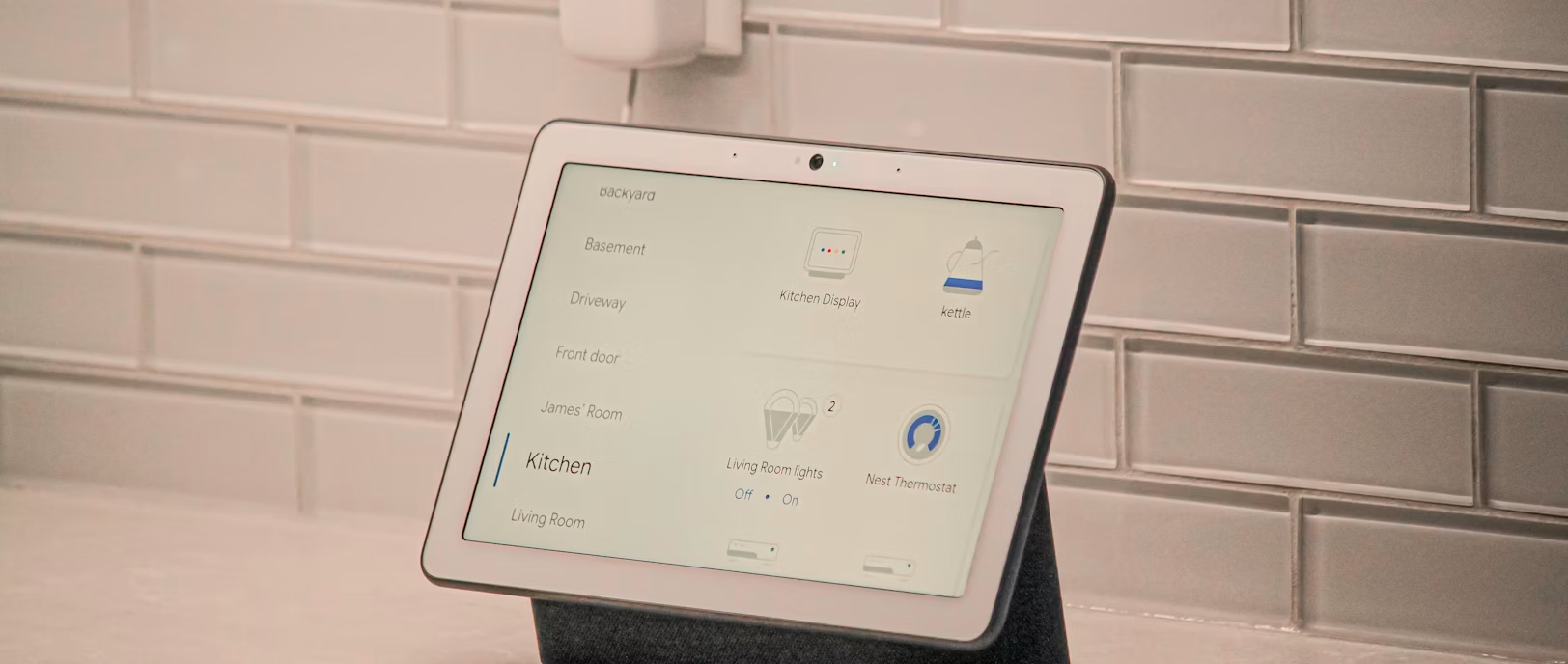
Understanding Smart Homes: What They Are and How They Work
A smart home refers to a residence that integrates technology to enhance its automation and efficiency.

A smart home refers to a residence that integrates technology to enhance its automation and efficiency.

Purchasing a new home is an exciting milestone, especially when it comes with built-in speakers.

Surround sound systems have become integral to the modern audio experience, providing immersive sound that brings movies, music, and games to life. However, the nomenclature of these systems can be confusing for consumers.

When pondering the ideal solution for home entertainment, many individuals find themselves in a dilemma: should they invest in a projector or a large TV? Each option presents unique advantages and challenges that can significantly impact your viewing experience.
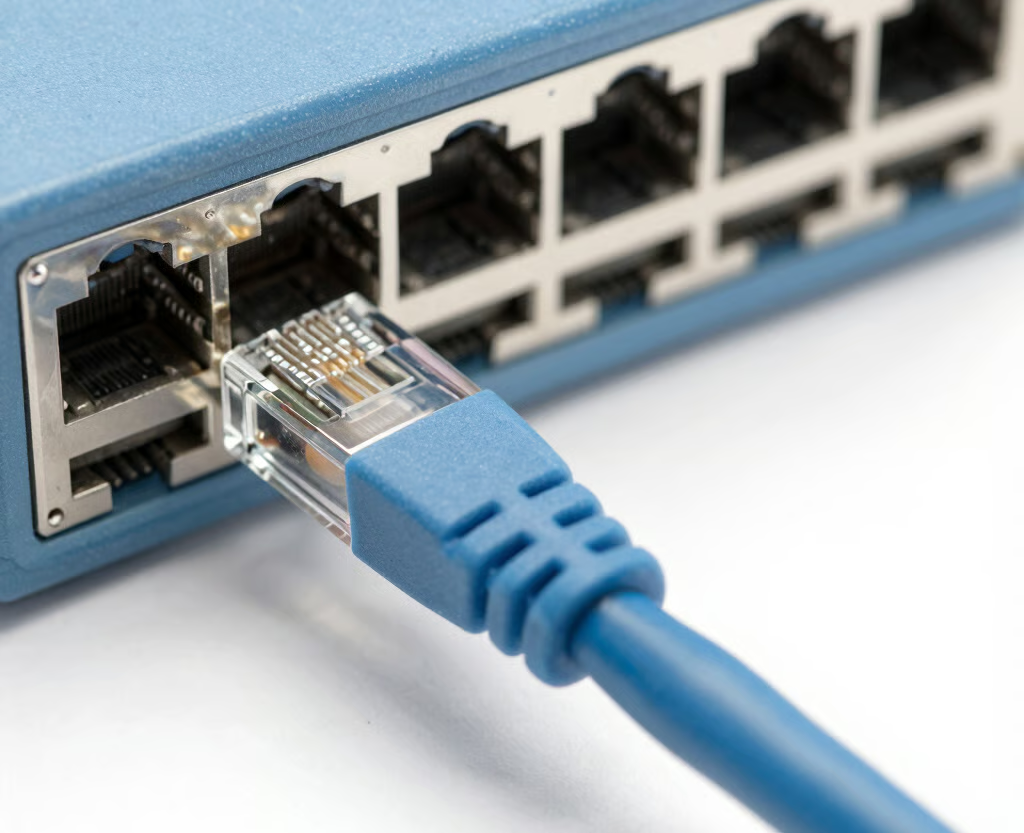
As the digital age continues to expand, the necessity for robust networking solutions in our homes has become increasingly important. A common inquiry from homeowners is whether it is feasible to add network cabling after the construction of their home has been completed.
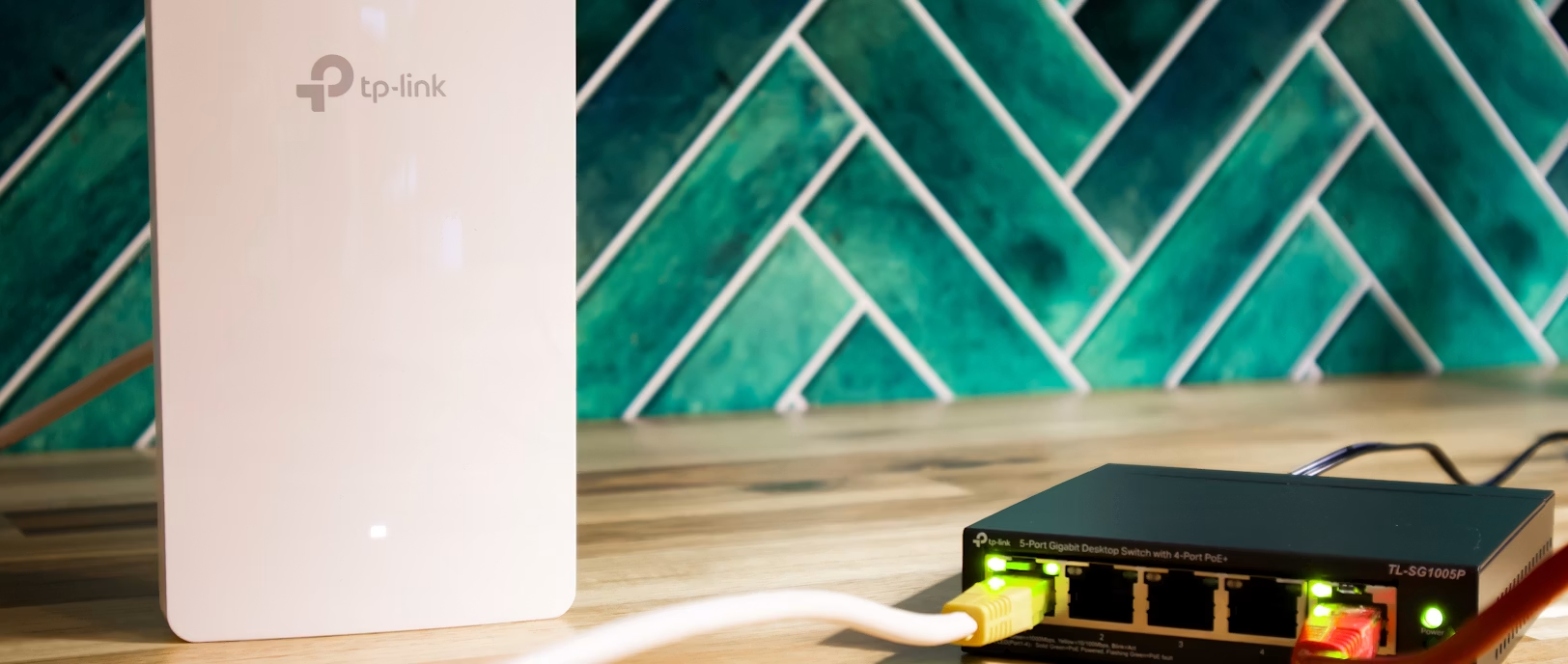
In today’s world, staying connected is a must, and the terms WAP (Wireless Access Point) and wireless mesh networks are often thrown around when discussing home or office networks.

Dimming lights can transform the ambiance of any room, providing flexibility in how we illuminate our spaces. The effectiveness of a dimmer switch is largely determined by the type of lights used in conjunction with it.

Ecobee and Google Nest present compelling arguments for their effectiveness in modern home management.

Choosing the best way to extend WiFi in your home or office largely depends on your specific requirements and technical capability.

When it comes to enhancing your home entertainment experience, the choice between a large television and a projector is a significant one. Both options have their distinct advantages and potential drawbacks that can influence the overall quality of your viewing experience.